What Is WPS in the UAE? Complete Guide for Employers
In the UAE, getting the payroll right is a legal obligation that shapes your situation with your workforce. The Wage Protection System (WPS) does exactly that. It makes sure people are paid the way they were promised, on time and in full. It is the base of payroll compliance here, where almost every company, from startups to multinational firms, must prove they’re paying their people properly.
WPS has become one of the most significant employment compliance frameworks in the region. It protects workers’ rights and keeps companies accountable, making late or partial salary payments a thing of the past, legally and operationally.
What the Wage Protection System Actually Is
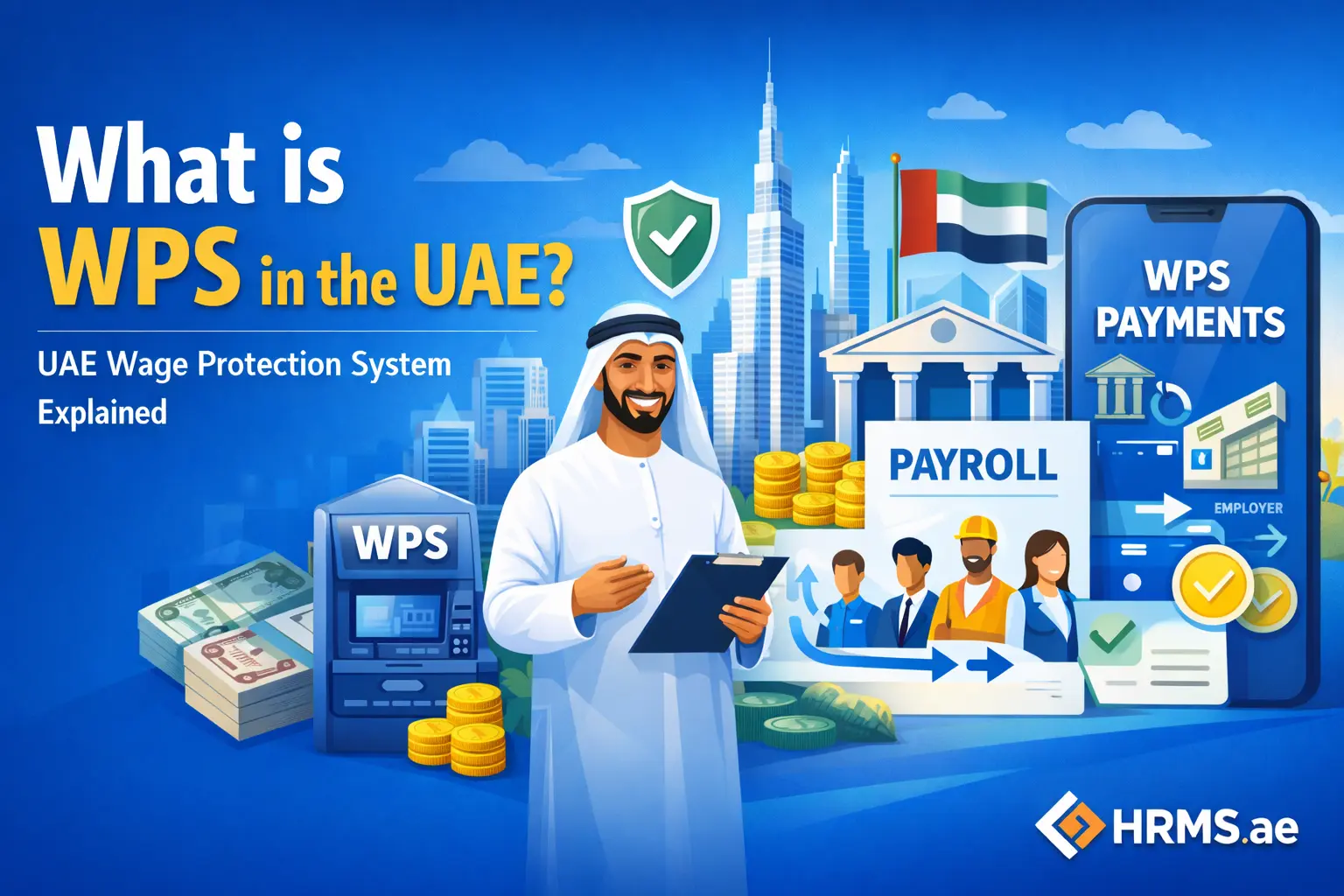
The WPS is basically an electronic salary transfer system. It’s not optional if you run a private-sector workplace in the UAE. It's required by law. Started way back in 2009 and run by the Ministry of Human Resources and Emiratisation (MoHRE) together with the Central Bank of the UAE, WPS is a government-mandated electronic payroll system. Its job is to track that employees are paid what they’re owed, on time, without weird delays or shady deductions.
Basically:
- Employers must pay wages digitally through approved banks.
- MoHRE monitors it and can flag, fine, or penalize employers who don’t comply.
Why the UAE Introduced WPS
The UAE is a hub for global talent, with millions of workers from all over the world, big and small companies alike. But with that growth risk, like payroll disputes, delayed payments, and cash cheats, also come.
That’s why the government introduced WPS:
- Transparency: Now, everything about payments becomes visible and clear.
- Predictability: People are getting paid on time without any delay.
- Accountability: Employers can’t just pay late without any consequences.
- Traceability: Receipts and records always stay accurate and traceable.
How WPS Actually Works
1. Registration with the System
If your company is registered with MoHRE and you have employees, then you have to register for WPS. This means:
- Having a corporate bank account in the UAE.
- Signing up with a WPS-approved bank or exchange house.
- Getting your WPS Agent/Provider setup done
2. Generate Your Salary Information File (SIF)
This is a structured file that payroll produces each month. It lists all salaries, allowances, deductions, employee IDs, basic wages, etc. It’s a kind of official declaration you feed into WPS. From ERP systems to HR Software, you need to generate this SIF every payroll cycle.
3. Submit SIF to Your Bank / Agent
Once the SIF is ready, you upload it through your bank portal or approved exchange provider. They validate it and push it into WPS.
4. WPS Clears the Salaries
WPS isn’t just for monitoring. It actually routes payments through the financial infrastructure. It means the payment will be released from your account, through the Secretary system, to employees’ bank accounts, with entry in the MoHRE logs.
5. Compliance Monitoring by MoHRE
Once salaries are dispatched, MoHRE checks:
- Were they paid on time?
- Are the amounts matching the contracts?
- Is the SIF accurate and complete?
If it’s accurate, there’s no problem. If not, then you can expect notices or fines.
Key Requirements Employers Should Know
Here’s a list of things that must be in your process if you want issueless payroll months:
- Corporate bank account (UAE)
- WPS agent agreement
- Monthly Salary Information File (SIF)
- Employee labour card numbers and valid contact data
- Accurate salary components (basic, allowances, deductions)
- Submitted before deadlines (within 10 days after the due pay date, usually)
- Track receipt confirmations
If you skip any of these, it’s going to affect you, ranging from fines to blocked work permit issuance and penalties.
What Happens If You Don’t Comply
WPS isn’t a suggestion. It’s the law. Ignoring it means you have to face some consequences:
- New work permit bans: MoHRE can block your ability to issue new work permits.
- Company suspension and fines: There are fines starting from AED 1,000 to AED 50,000 for extended delays
Besides these, there can be legal actions too. It might start as a payroll delay, but when your compliance category dips, it affects investor confidence, your reputation with employees, and even your ability to renew your business licence. That's the reason you need the best Payroll Software in the UAE. It helps you to stay compliant with the government, along with winning your employees’ trust.
Employee Perspective
- Guaranteed timely payment: Now, employees don’t need to chase monthly wages.
- Legal backing: If any issues arise, employees have the right to take action.
- Fewer disputes: They’ll get transparent payment records, which leads to fewer misunderstandings over payroll.
WPS is one of the most consequential payroll frameworks operating in the UAE. It changes how companies manage money, employees get paid, and, quite honestly, how disputes are avoided or escalated.
FAQs
1. What is WPS in simple terms?
WPS, or Wage Protection System, is basically the UAE’s way of making sure employees get their salaries on time. It’s a government system run by the Ministry of Human Resources and Emiratisation (MoHRE) and the Central Bank of the UAE to track salary payments so companies pay people on time, exactly as agreed.
2. Is WPS something every company must follow?
If you’re a private-sector employer under MoHRE, then yes, WPS isn’t optional for you. Doesn’t matter if you have one employee or hundreds; salaries must go through the system.
3. What if a company pays late or doesn’t use WPS at all?
There’s no gentle warning. Fines start coming in, work permits can get blocked, and the company’s overall compliance rating can be affected. It quickly becomes a bigger problem than just a “late salary.”
4. How soon do salaries have to be paid through WPS?
Salaries must be paid within 10 days of the agreed-upon payday. Anything beyond that is counted as a delay, and yes, it does trigger consequences.
5. Is payroll software or HR Software really necessary for WPS?
If you don’t want mistakes, then yes. Payroll tools and HR software make your life easier. They generate the SIF correctly, remind you about deadlines, and prevent those tiny errors that often lead to fines. It’s basically the smoothest way to stay compliant.